In one of the most dramatic and controversial military operations of the modern era, the United States carried out a high-intensity, multi-domain mission in Venezuela that culminated in the capture of President Nicolás Maduro. The operation, watched live by former U.S. President Donald Trump from his Mar-a-Lago residence in Florida, unfolded over two hours and twenty minutes and involved air, land, and sea forces working in perfect coordination.
The mission, later discussed publicly during a Trump press conference Maduro became the central focus of, sent shockwaves through Latin America, global diplomatic circles, and international law experts alike. From deafening explosions in Caracas to the sudden blackout of entire neighborhoods, the night marked a turning point in U.S.–Venezuela relations and raised urgent questions about sovereignty, legality, and the future of the oil-rich South American nation.
A Night of Explosions: Caracas Thrown Into Chaos
Shortly after midnight, residents of Venezuela’s capital were jolted awake by the sound of multiple explosions echoing across the city. The normally bustling streets of Caracas were plunged into darkness as power outages spread rapidly across several districts. Witnesses reported seeing military aircraft roaring overhead and helicopters flying at dangerously low altitudes, kicking up dust and debris.
The sky itself appeared alive with movement. Fighter jets, drones, and transport aircraft crisscrossed Venezuelan airspace in what U.S. officials later described as a carefully planned effort to neutralize air defenses and create safe corridors for special operations forces.
According to U.S. sources, the blackout was no accident. Advanced electronic warfare capabilities were reportedly deployed to disable power infrastructure temporarily, allowing American troops to operate under the cover of darkness.
Months of Surveillance: Mapping Maduro’s Every Move
Media briefings following the operation revealed that U.S. intelligence agencies had been monitoring Nicolás Maduro’s daily routine for months, possibly longer. Every detail of his life had been meticulously documented—where he slept, what he ate, the clothes he wore, his security habits, and even the locations of his pets.
This level of surveillance allowed planners to identify patterns and vulnerabilities. Intelligence officials confirmed that a full-scale replica of Maduro’s Caracas safe house had been constructed at a secure U.S. military facility. Elite troops rehearsed the mission repeatedly, practicing entry routes, timing, and extraction procedures, much like the preparation that preceded the operation against Osama bin Laden.
The blueprint for the mission was finalized in early December, though its execution depended heavily on weather conditions. Poor visibility and cloud cover delayed the launch several times, keeping U.S. forces on what was described as “trigger alert” throughout the holiday period between Christmas and New Year’s Day.
The Green Light: Trump Gives the Order
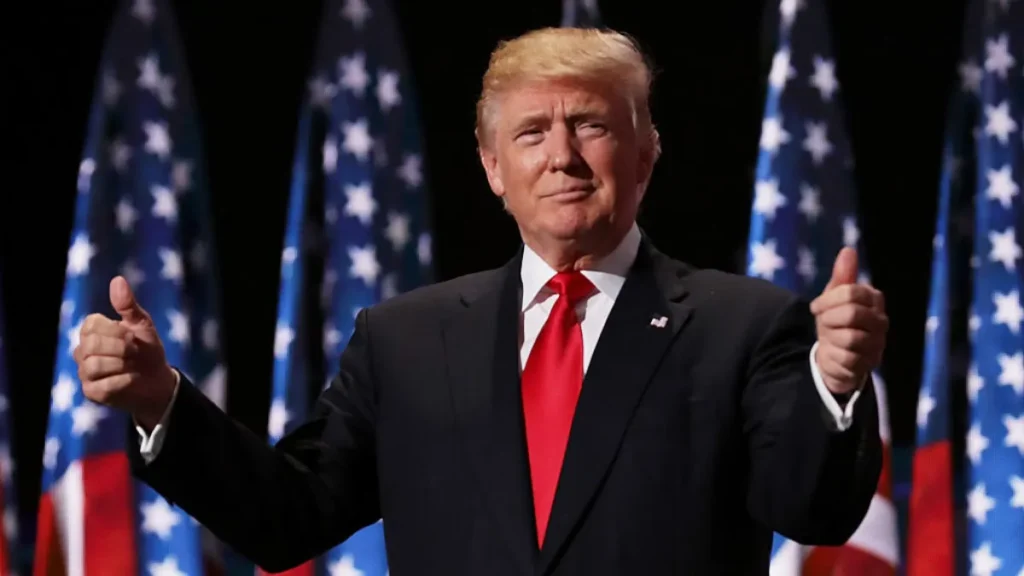
On a Friday night, after receiving updated weather and intelligence reports, Donald Trump gave the final authorization. From his private club at Mar-a-Lago, Trump monitored the operation in real time via secure video feeds.
Later, during a Trump press conference Maduro dominated headlines worldwide, Trump compared the experience to watching a high-stakes television drama, emphasizing the speed, intensity, and precision of the mission. He also claimed that the operation resulted in zero American fatalities.
An All-Domain Assault: Air, Land, and Sea in Perfect Sync
The operation began in the air. More than 150 aircraft reportedly took part, launching from around 20 different bases. The fleet included advanced fighters such as the F-22 and F-35, alongside F/A-18s, EA-18 electronic warfare aircraft, B-1 bombers, and numerous unmanned drones.
These aircraft targeted Venezuelan air defenses and military installations, clearing the way for low-flying helicopters carrying special forces. Explosions were reported near La Carlota airfield in Caracas and at the port of La Guaira, with thick plumes of smoke visible from miles away.
By approximately 2:00 a.m. local time, Caracas was effectively under aerial lockdown. Power outages spread, communications were disrupted, and the city descended into confusion.
Delta Force Moves In: The Capture of Maduro
As the air campaign created safe corridors, U.S. Delta Force units, supported by FBI and law-enforcement apprehension teams, entered Venezuelan territory via low-altitude flights over the sea. The helicopters approached Maduro’s compound under the cover of darkness, escorted by fighter jets.
The assault on the safe house was swift and violent. Steel doors were breached within seconds. Maduro reportedly attempted to reach a fortified safe room with steel-reinforced walls, designed to function as a last line of defense. However, the speed of the U.S. assault prevented him from securing the door.
Both Nicolás Maduro and his wife, Cilia Flores, were taken into custody. According to General Dan Kane, Chairman of the Joint Chiefs of Staff, U.S. forces reached the target at 1:01 a.m. Eastern Time and completed the extraction by 3:29 a.m.
During the exfiltration phase, American forces encountered what officials described as “multiple self-defense engagements,” though details remain classified.
No Fatalities, High Stakes
U.S. officials acknowledged that some personnel sustained injuries but confirmed that no American service members were killed. Venezuelan authorities did not immediately confirm any casualties on their side.
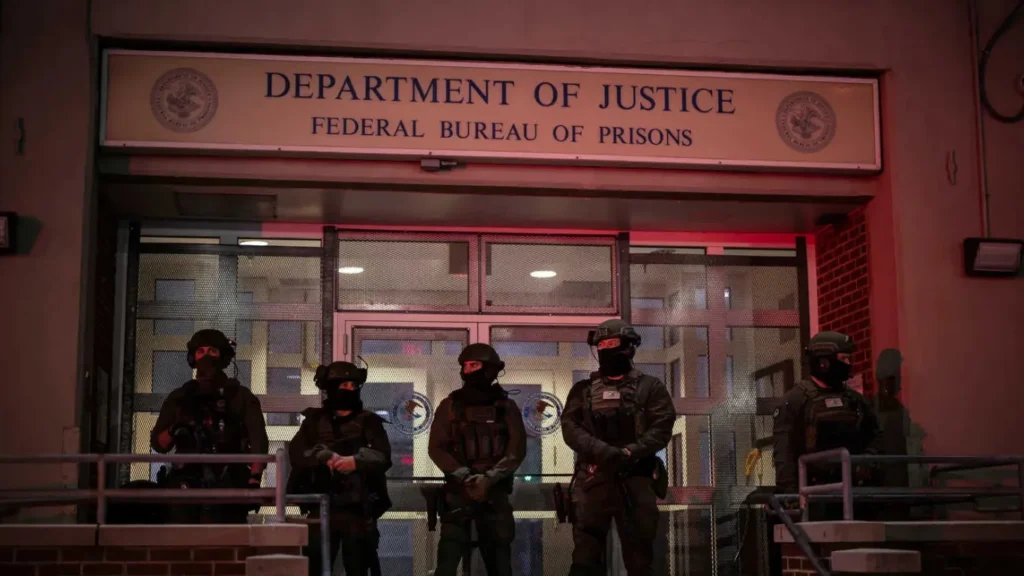
By 4:20 a.m. local time, helicopters carrying Maduro and his wife had exited Venezuelan airspace. They were transferred into the custody of the U.S. Department of Justice and flown to New York, where Maduro is expected to face criminal charges related to narcoterrorism and drug trafficking. The United States had previously announced a $50 million reward for information leading to his arrest.
Approximately an hour later, Trump publicly announced the mission’s success.
Mar-a-Lago Watch Party: Trump’s Perspective
Speaking later, Trump described watching the operation unfold live from Mar-a-Lago. During the Trump press conference Maduro was repeatedly referenced as the focal point of what Trump called an unprecedented military achievement.
He praised the operation’s “speed and violence,” while insisting it was executed with precision and minimal collateral damage. Trump also claimed that the United States would temporarily “administer” Venezuela to stabilize the country and activate its vast oil resources, a statement that immediately sparked outrage and legal debate.
International Reaction: Condemnation and Concern
The operation drew sharp criticism from around the world. China described it as a “deeply shocking incident,” while Russia’s foreign minister reportedly held emergency talks with Venezuela’s vice president.
India issued an advisory urging its citizens to avoid non-essential travel to Venezuela and advising those already in the country to exercise extreme caution.
Congressional Democrats in the United States questioned the legal basis of the operation, arguing that it challenged both domestic constitutional authority and international law. Human rights organizations also expressed concern over the precedent such an action could set.
A Fortress Residence: Why Speed Was Crucial
According to Trump and U.S. military officials, Maduro had been staying in a highly fortified residence resembling a fortress. The compound included a steel-walled safe room designed to withstand attacks.
General Kane confirmed that U.S. forces had rehearsed the mission extensively and possessed detailed knowledge of Maduro’s habits, living arrangements, and security measures. The construction of a full-scale replica of the residence allowed troops to practice every scenario down to the smallest detail.
Shackled and Blindfolded: Transfer to the U.S.
Images described by officials showed Maduro handcuffed and blindfolded during his transfer. His wife accompanied him under U.S. custody. The Department of Justice confirmed that Maduro would face charges linked to narcoterrorism and large-scale drug trafficking operations.
The dramatic arrest marked the first time a sitting Venezuelan president had been captured by a foreign power in such a manner.
Trump’s Bold Claims
In his most forceful remarks yet, Trump declared, “On my orders, the United States military carried out a devastating strike on the Venezuelan capital. We attacked from land, air, and sea. This was the most successful military operation in American history. Nothing like this has been seen since World War II.”
He also revealed that the mission had been delayed by four days due to poor weather conditions, emphasizing that timing was critical to its success.
What Happened During the Operation: A Timeline
Helicopters skimmed just above sea level before entering Venezuelan territory, escorted by fighter jets. Explosions rocked Caracas, power grids failed, and communications were disrupted. Delta Force stormed the safe house as Maduro attempted to flee into the secure room. Within minutes, he was detained and removed from the country.
A Defining Moment in Global Politics
The Trump press conference Maduro saga has become one of the most talked-about geopolitical events of the decade. Supporters hail the operation as a decisive blow against an authoritarian leader accused of corruption and narcotrafficking. Critics argue it represents a dangerous violation of international norms.
As Maduro awaits trial in the United States, Venezuela faces an uncertain future. Questions remain about governance, legitimacy, and whether the country can stabilize after such a dramatic intervention.
One thing is certain: the events of that night in Caracas—and the Trump press conference Maduro that followed—have permanently altered the global political landscape.