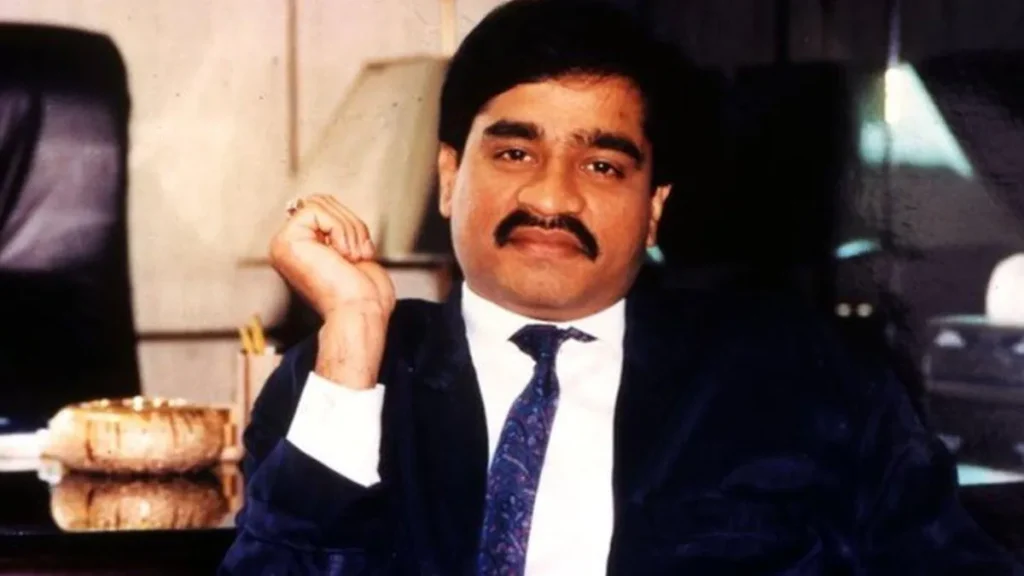
Few names in the world of organized crime evoke as much fear, intrigue, and controversy as dawood ibrahim. For decades, he has remained one of the most wanted fugitives globally-an underworld figure whose influence stretches across continents and whose network continues to operate despite relentless international pressure.
Ranked among the world’s most powerful individuals by global publications and listed as one of the most wanted fugitives, dawood ibrahim’s story is not just about crime-it is about power, survival, global networks, and the blurred lines between organized crime and terrorism. Even after decades on the run, he remains an enigma, a shadowy figure whose presence continues to shape security concerns in South Asia and beyond.
Global Recognition and Terror Designation
The rise of dawood ibrahim from a local gangster in Mumbai to an internationally designated terrorist reflects the scale of his operations. Over the years, multiple global agencies have identified him as a key player in transnational crime and terrorism.
Key International Designations
| Year | Authority | Action Taken |
|---|---|---|
| 2003 | United States Government | Declared a Global Terrorist under Executive Order 13224 |
| 2003 | United Nations | Listed under sanctions linked to al-Qaeda |
| 2006 | United States | Designated under the Kingpin Act as an international drug trafficker |
| Ongoing | Interpol | Red Corner Notice issued at India’s request |
These actions resulted in strict measures against dawood ibrahim, including asset freezes, travel bans, and arms embargoes. Despite this, he has successfully evaded capture, reinforcing his reputation as one of the most elusive criminals in modern history.
The 1993 Mumbai Blasts: A Turning Point
The defining moment in dawood ibrahim’s criminal career came on March 12, 1993, when a series of coordinated bomb explosions rocked Mumbai, India’s financial capital.
Overview of the Attacks
| Detail | Information |
|---|---|
| Date | March 12, 1993 |
| Number of Blasts | 13 |
| Target Locations | Stock Exchange, hotels, crowded markets |
| Impact | Hundreds killed, thousands injured |
The attacks were among the deadliest in India’s history and marked a significant shift in dawood ibrahim’s role—from an underworld don to an alleged orchestrator of large-scale terrorism.
Investigators concluded that the attacks were planned and financed by dawood ibrahim and his close associates, including Tiger Memon. The operations were reportedly coordinated from abroad, particularly from Dubai and Karachi.
Early Life and Rise in Mumbai’s Underworld
Born in 1955 in Ratnagiri, Maharashtra, dawood ibrahim grew up in modest conditions in Mumbai. His father served as a police constable, making his eventual descent into crime all the more striking.
Early Background
| Aspect | Details |
|---|---|
| Birthplace | Ratnagiri, Maharashtra |
| Upbringing | Raised in Mumbai slums |
| Family Background | Son of a police official |
| Entry into Crime | Early 1970s |
During his early years, dawood ibrahim became associated with established Mumbai crime figures such as Haji Mastan and others involved in smuggling and illegal trade. By the early 1980s, he had begun building his own syndicate.
Formation of D-Company
In 1981, dawood ibrahim established his own criminal organization, widely known as D-Company. This marked the beginning of a powerful crime empire that would eventually span multiple countries.
Core Activities of D-Company
- Drug trafficking
- Gold smuggling
- Extortion rackets
- Kidnapping for ransom
- Contract killings
- Counterfeit currency operations
D-Company quickly became one of the most influential crime syndicates in South Asia. It operated with a level of organization and discipline that resembled a corporate structure, allowing it to expand rapidly.
Escape from India and Global Expansion
By the mid-1980s, increasing pressure from law enforcement forced dawood ibrahim to flee India. He reportedly moved between Dubai and Pakistan, eventually establishing a stronghold abroad.
Countries Linked to His Operations
| Region | Countries |
|---|---|
| South Asia | India, Pakistan, Bangladesh, Nepal |
| Middle East | UAE |
| Africa | Kenya, Nigeria |
| Southeast Asia | Thailand |
His ability to operate across borders allowed him to build a vast network that included criminal gangs, financial operators, and alleged links to extremist organizations.
Links to Terror Networks
Over time, dawood ibrahim’s operations reportedly intersected with terrorist groups, raising global alarm.
Alleged Associations
- Lashkar-e-Taiba (LeT)
- al-Qaeda
- Other regional extremist groups
These connections enabled the use of established smuggling routes for moving arms, explosives, and funds. Intelligence agencies have repeatedly pointed to his role as a facilitator between criminal networks and terror organizations.
Hawala Networks and Financial Empire
One of the key pillars of dawood ibrahim’s power has been his financial network, particularly through hawala—an informal system of money transfer.
Features of His Financial Operations
| Element | Description |
|---|---|
| System Used | Hawala networks |
| Scale | Multi-million dollar transactions |
| Regions Covered | Asia, Africa, Europe |
| Purpose | Funding crime and alleged terror activities |
Through trusted associates, these networks enabled the movement of funds without formal banking channels, making detection extremely difficult.
Expansion into Bangladesh and Nepal
D-Company’s reach extended significantly into neighboring countries, particularly Bangladesh and Nepal.
Bangladesh Operations
- Network of over 100 operatives
- Collaboration with local and foreign recruits
- Links with extremist groups
Nepal Operations
- Counterfeit currency production and distribution
- Use of cross-border routes into India
- Alleged involvement of international actors
These operations played a critical role in sustaining the organization’s financial and logistical strength.
African Connection
Following increased crackdowns in India, members of D-Company expanded into Africa, particularly Kenya and Nigeria.
Key Activities in Africa
| Activity | Description |
|---|---|
| Drug trade | Collaboration with international networks |
| Smuggling | Use of coastal routes |
| Terror links | Alleged coordination with global groups |
This expansion further diversified the syndicate’s operations and reduced its dependence on South Asia alone.
Lifestyle, Influence, and Bollywood Connections
Despite being a fugitive, dawood ibrahim has long been associated with a lavish lifestyle. His connections with the Indian film industry have been widely discussed over the years.
Notable Aspects
- Alleged influence in film financing
- High-profile social connections
- Luxurious lifestyle abroad
His life has inspired numerous films, books, and media portrayals, turning him into a figure of both fear and fascination.
Continued Evasion and Mystery
One of the most puzzling aspects of dawood ibrahim’s story is his ability to remain out of reach despite global efforts to capture him.
Reasons Behind His Evasion
- Strong international network
- Alleged protection from state and non-state actors
- Use of multiple identities and passports
- Strategic relocation across countries
His whereabouts have been the subject of constant speculation, with many reports suggesting he resides in Karachi, though official confirmation remains elusive.
Legacy and Ongoing Threat
Even decades after his rise, dawood ibrahim continues to be seen as a significant threat by security agencies.
Key Concerns
- Continued influence of D-Company
- Financial networks supporting illegal activities
- Potential links to extremist operations
His transformation from a street-level criminal to a global figure highlights the evolving nature of organized crime in the modern world.
Also Read: UAE President in India: PM Modi Receives Sheikh Mohammed Bin Zayed with Warmth and Historic Gifts
Conclusion
The story of dawood ibrahim is one of power, crime, and survival against all odds. From the narrow lanes of Mumbai to becoming one of the most wanted men in the world, his journey reflects the dangerous intersection of organized crime and global terrorism.
Despite international sanctions, intelligence operations, and ongoing investigations, he remains at large—an enduring symbol of how complex and far-reaching modern criminal networks can be.
As authorities continue their efforts, the name dawood ibrahim stands as a reminder of unfinished justice and the persistent challenges in combating transnational crime.