Colombo / Lahore:
Speculation surrounding Pakistan’s participation in the upcoming ICC T20 World Cup has finally begun to settle, with fresh reports confirming that the Pakistan cricket team will not boycott the tournament. Despite earlier threats to withdraw in protest against Bangladesh’s removal from the competition, Pakistan is now expected to proceed with its scheduled fixtures.
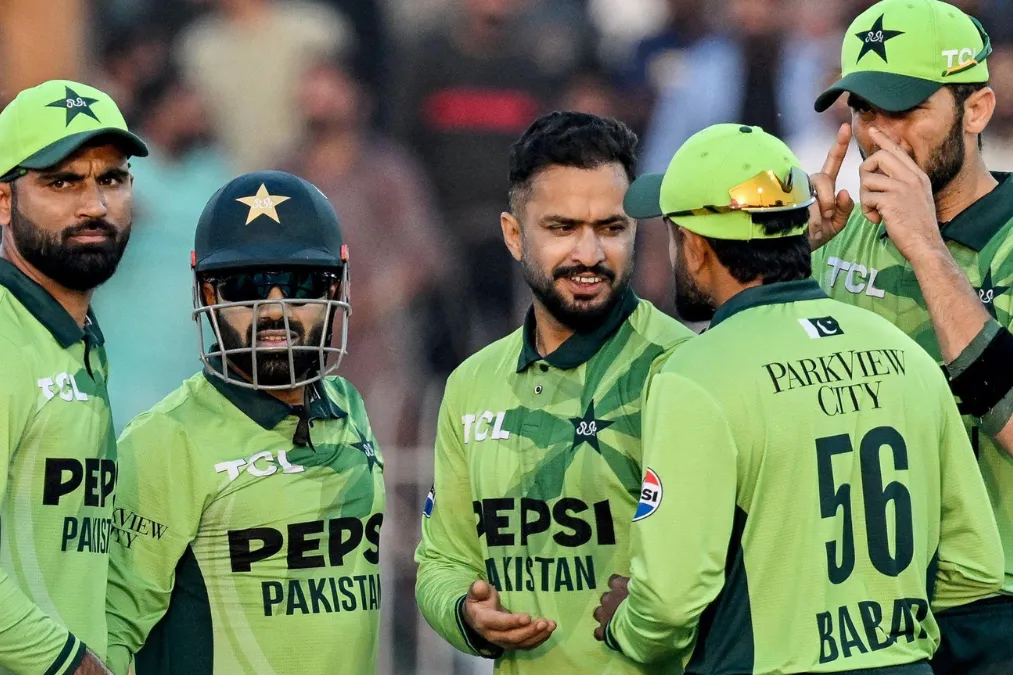
According to Pakistan’s state-run news agency PTI, citing senior sources within the Pakistan Cricket Board (PCB), the team’s travel plans have been finalised. The national squad is scheduled to arrive in Colombo on February 2, effectively putting to rest growing rumours that Pakistan could pull out of the tournament or refuse to face India.
With this development, the long-running debate-Pakistan out of t20 world cup?-appears to be nearing its conclusion, at least for now.
Pakistan’s World Cup Participation Likely to Be Officially Confirmed
PCB officials are expected to make a formal announcement confirming Pakistan’s participation either on Friday or early next week. Insiders suggest that the board has weighed its options carefully and concluded that withdrawing from the tournament would cause long-term damage to Pakistan cricket, both financially and diplomatically.
The uncertainty began after Bangladesh was excluded from the T20 World Cup following its refusal to play matches in India, citing security concerns. Pakistan openly supported Bangladesh’s stance, triggering fears that PCB might follow a similar path.
However, practical and legal constraints have made a boycott almost impossible.
Why Pakistan Cannot Pull Out of the T20 World Cup
While the PCB expressed solidarity with Bangladesh, sources indicate that the board was never in a position to take an extreme step such as withdrawing from the tournament altogether.
There are several reasons why Pakistan backing out was never a viable option:
1. Binding ICC Agreement With India and the BCCI
Pakistan, India, and the ICC are parties to a tripartite agreement that governs their participation in global tournaments until 2027. Under this arrangement, all India–Pakistan matches in ICC events are to be played at neutral venues, eliminating political and security concerns.
The PCB cannot legally violate this agreement without facing serious consequences, including heavy financial penalties and possible suspension from future ICC events.
2. Entire Pakistan Schedule Is in Sri Lanka
Crucially, Pakistan is not scheduled to play a single match in India during the T20 World Cup. All of its group-stage games, knockout matches, and even the final — should Pakistan qualify — are set to be held in Sri Lanka.
This raises a fundamental question: on what grounds could Pakistan justify boycotting the tournament or refusing to play India when matches are not being staged on Indian soil?
3. Risk of ICC Disciplinary Action
Following PCB chief Mohsin Naqvi’s public comments about possibly withdrawing from the World Cup, the ICC reportedly issued a clear warning to the board. Officials were informed that any unilateral withdrawal would invite disciplinary action under ICC regulations, including fines and potential restrictions on future participation.
PCB Chief Meets Prime Minister Shahbaz Sharif
The situation escalated politically when PCB Chairman Mohsin Naqvi met Prime Minister Shahbaz Sharif on Monday, January 26, to discuss Pakistan’s position regarding the T20 World Cup and the controversial India fixture.
During the meeting, Naqvi reportedly briefed the prime minister on the legal, financial, and sporting implications of a boycott. He later told reporters that a final decision would be taken “by Friday or Monday at the latest.”
According to PTI sources, Naqvi made it clear that any decision would prioritise the long-term stability and future of Pakistan cricket, rather than short-term political signalling.
The sources also emphasised that maintaining healthy relations with the ICC and other member boards remains a key priority for the PCB.
Why Did PCB Initially Threaten to Withdraw?
The controversy erupted after Bangladesh was removed from the T20 World Cup by the ICC for refusing to play matches in India. Scotland was named as Bangladesh’s replacement in the tournament.
PCB Chairman Mohsin Naqvi strongly criticised the ICC’s decision, calling it unfair and politically motivated. In an interview with Pakistan’s leading English-language newspaper Dawn, Naqvi stated:
“The ICC has treated Bangladesh unjustly. We are waiting for our government’s decision. If the government advises against participation, then we will not play the tournament either.”
These remarks triggered international headlines and raised serious questions, including: Pakistan out of t20 world cup?
ICC Responds With Firm Warning
Naqvi’s comments prompted a swift response from the ICC, which reminded the PCB of its contractual obligations. Officials reportedly informed Pakistan that any withdrawal would be considered a breach of ICC regulations, inviting strict action.
The warning appears to have played a significant role in Pakistan’s eventual decision to continue with the tournament.
Why Bangladesh Refused to Play in India
At the heart of the controversy lies Bangladesh’s refusal to tour India for the T20 World Cup.
The Bangladesh Cricket Board (BCB) cited player safety concerns, following rising political tensions between the two countries. Matters worsened after the Board of Control for Cricket in India (BCCI) denied Bangladeshi fast bowler Mustafizur Rahman permission to play in the IPL, reportedly due to security-related issues.
Mustafizur, who had been picked by Kolkata Knight Riders (KKR), was released from the squad on January 3 at the BCCI’s request. This decision angered officials in Bangladesh and escalated diplomatic tensions.
Bangladesh Government Reacts Strongly
In response, the Bangladeshi government imposed a ban on IPL broadcasts within the country. The move was widely seen as a direct protest against India’s handling of Bangladeshi players.
Soon after, Bangladesh formally requested a change of venue for the T20 World Cup matches scheduled to be played in India, again citing safety concerns.
When the ICC rejected the request, Bangladesh refused to participate-a decision that ultimately led to its exclusion from the tournament.
Pakistan’s Support for Bangladesh-But With Limits
Pakistan publicly supported Bangladesh’s concerns, with PCB officials stating that player safety should never be compromised. However, behind closed doors, the board remained cautious.
Sources suggest that the PCB was keen to show diplomatic solidarity without crossing lines that could isolate Pakistan within the international cricketing community.
This balancing act explains why Pakistan issued strong statements but stopped short of taking irreversible action.
Financial and Sporting Stakes Too High for Pakistan
Withdrawing from the T20 World Cup would have had serious consequences for Pakistan cricket:
- Loss of ICC revenue and broadcast income
- Damage to sponsorship agreements
- Reduced influence within ICC decision-making
- Risk of isolation similar to what Pakistan faced in the early 2000s
Given these risks, PCB officials ultimately concluded that participationA boycott was neither practical nor beneficial.
What Happens Next?
With the team set to travel to Colombo on February 2, Pakistan’s participation is now virtually assured. The remaining step is a formal confirmation from the PCB, expected within days.
Unless there is a dramatic political intervention, Pakistan will play the T20 World Cup as scheduled-including the much-anticipated clash against India at a neutral venue.
For now, the question Pakistan out of t20 world cup? can be answered clearly: No-Pakistan is staying in.
Also read: Pakistan T20 World Cup Viral Post Sparks Global Buzz as Iceland Cricket Takes a Cheeky Dig
Conclusion:
The episode highlights the complex intersection of politics, security, and sport in modern international cricket. While Pakistan voiced legitimate concerns over Bangladesh’s treatment, the realities of global cricket governance ultimately prevailed.
As fans turn their attention back to the field, Pakistan’s focus will now shift to performance rather than protest-with the T20 World Cup offering both a sporting challenge and a chance to restore momentum.