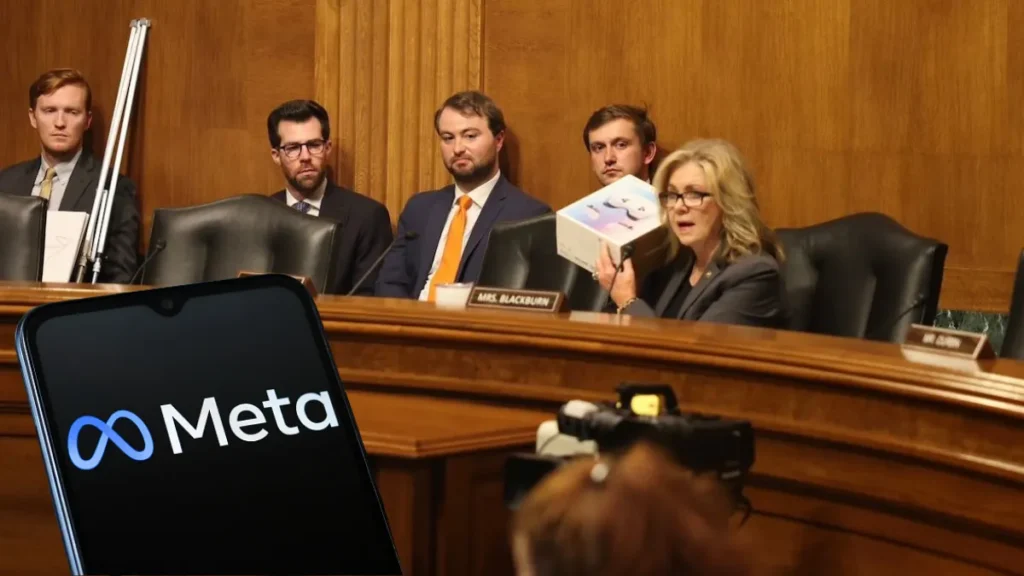
San Francisco, CA – Allegations that Meta buried evidence showing its platforms negatively affected mental health have surfaced in recent U.S. court filings, intensifying scrutiny of the company and other social media giants. Unredacted documents submitted in a class action lawsuit brought by U.S. school districts suggest that Meta, the parent company of Facebook and Instagram, halted internal research that pointed to causal links between its platforms and users’ mental health struggles.
The findings, detailed in filings by law firm Motley Rice, indicate that Meta’s internal studies uncovered concerning patterns of depression, anxiety, and social comparison among teenagers using its services, yet the company opted not to act publicly on the research.
Meta buried 'causal' evidence of social media harm, US court filings allege https://t.co/akWjtrH4dC
— Professor Toby Walsh FAA FTSE (@TobyWalsh) November 23, 2025
Project Mercury: Meta’s Internal Research Reveals Troubling Results
According to court documents, Meta initiated a 2020 study known internally as “Project Mercury”, conducted in partnership with survey firm Nielsen. The study investigated the effects of temporarily deactivating Facebook and Instagram on users’ mental well-being.
The results, the filings say, were stark: participants who stopped using the platforms for a week reported lower levels of depression, anxiety, loneliness, and social comparison. Despite the apparent significance of the findings, Meta allegedly discontinued the project and refrained from publishing the results. Internal communications, cited in the filings, show that staff concluded the negative outcomes were valid but feared the prevailing media narrative about the company might overshadow the research.
One researcher reportedly compared the situation to the tobacco industry, warning that ignoring harmful findings would be akin to “doing research and knowing cigarettes were bad and then keeping that information to themselves.”
Even as Meta privately acknowledged the causal link between its products and mental health issues, the company told U.S. Congress that it could not quantify the risks its platforms posed to teenage girls.
Meta’s Public Response
Meta has disputed the allegations. Spokesman Andy Stone stated that the research was halted due to methodological flaws and emphasized that the company continually works to enhance user safety.
“The full record will show that for over a decade, we have listened to parents, researched issues that matter most, and made real changes to protect teens,” Stone said.
Despite these statements, plaintiffs maintain that Meta knowingly buried critical research showing the potential harms of its products, raising serious ethical and legal questions.
Broader Allegations Against Social Media Platforms
The claim that Meta buried harmful research is part of a larger complaint involving multiple social media companies, including Google, TikTok, and Snapchat. The lawsuit, filed on behalf of school districts nationwide, accuses these platforms of deliberately concealing the risks associated with their products from users, parents, and educators.
Allegations include:
- Encouraging children under 13 to use the platforms.
- Failing to adequately combat child sexual abuse content.
- Attempting to expand usage among teenagers during school hours.
- Offering financial incentives to child-focused organizations to publicly defend the platforms’ safety.
For instance, the filing claims that TikTok sponsored the National Parent Teacher Association (PTA) and internally boasted about influencing its messaging to promote the company’s agenda.
Specific Allegations Against Meta
While accusations target multiple companies, the filings present detailed internal evidence against Meta, suggesting deliberate efforts to prioritize engagement over safety:
- Youth safety features were intentionally designed to be ineffective or were blocked from testing.
- Users attempting to engage in sexual exploitation had to be flagged 17 times before removal, an “extremely high strike threshold.”
- Efforts to prevent predators from contacting minors were delayed for years, with internal pressure discouraging action that might impact growth.
- Optimization for teen engagement knowingly increased exposure to harmful content.
- Internal communications reveal Mark Zuckerberg allegedly deprioritized child safety, focusing on initiatives like building the metaverse.
Meta’s spokesman Stone rejected these claims, asserting that teen safety measures are effective, including the prompt removal of flagged accounts involved in sex trafficking.
“We strongly disagree with these allegations, which rely on cherry-picked quotes and misinformed opinions,” Stone said, emphasizing the company’s ongoing commitment to protecting teens online.
Legal Proceedings and Implications
The internal Meta documents cited in the filing remain under seal, and the company has filed a motion to strike them from the public record, arguing that the plaintiffs’ requests are overly broad. A hearing is scheduled for January 26 in Northern California District Court to resolve these disputes.
The case highlights growing concerns about social media’s impact on mental health, particularly among teenagers, and whether companies like Meta have a duty to act on internally known risks. Legal experts note that if the allegations are proven, they could have far-reaching implications for the industry, potentially influencing policy and prompting stricter regulation on social media safety standards.
Expert Commentary
Mental health professionals and digital ethics experts have criticized platforms for failing to address risks even when aware of them. Dr. Hannah Levin, a clinical psychologist specializing in adolescent mental health, said:
“Social media companies are in a unique position to shape youth experiences online. Ignoring evidence of harm is not just negligent—it’s dangerous. Transparency and proactive interventions are critical.”
Advocates for child safety online also stress that parents and educators deserve clear information about the risks posed by platforms that dominate teenage attention.
The Global Perspective
While the U.S. lawsuit focuses on American school districts, concerns about social media safety have resonated globally. Regulators in the EU, UK, and Australia are increasingly scrutinizing Meta, TikTok, and other platforms over similar issues, including mental health impacts, online abuse, and the influence of algorithms on young users.
Analysts suggest that public revelations of internal research being buried could undermine trust in major social media companies, prompting policy changes or international legislation.
Also read: “I’ll Be Cheering for Him”: Key Takeaways from the Surprisingly Warm Trump mamdani meeting
Conclusion
The allegations that Meta buried evidence of social media harm mark a critical chapter in the ongoing debate over the responsibilities of tech giants to their youngest users. As legal proceedings unfold in Northern California, parents, educators, and regulators are watching closely, demanding transparency and accountability from companies that shape the digital lives of millions.
The outcome of this case could redefine how social media companies report internal research, implement safety measures, and ultimately, safeguard the mental well-being of the next generation.