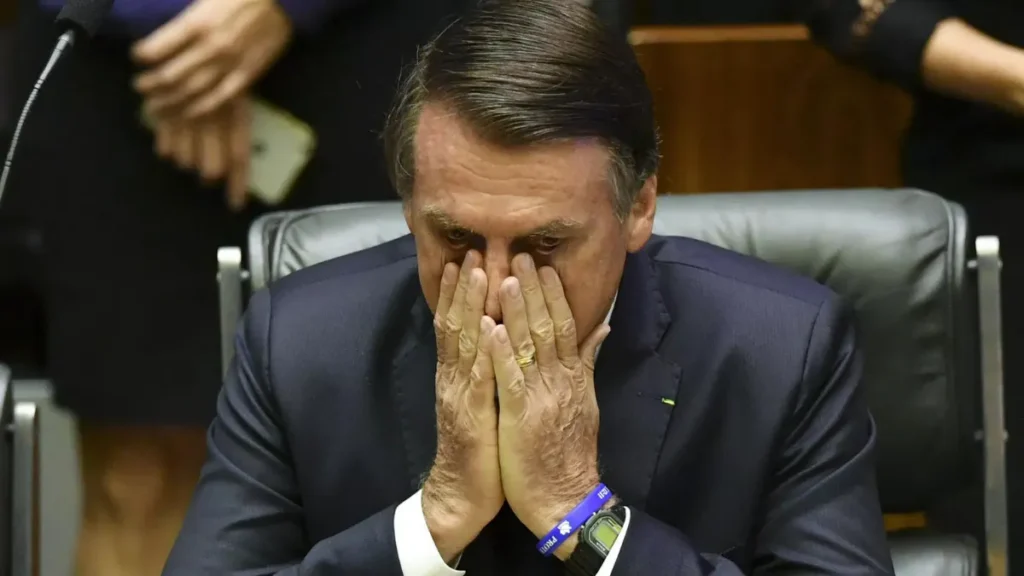
Brasília, Brazil – In a landmark ruling, former Brazilian President Jair Bolsonaro, aged 70, has been sentenced to 27 years in prison by Brazil’s Supreme Court for his involvement in a coup plot aimed at overturning the 2022 presidential election results. The decision was announced on Tuesday, marking one of the most significant political and judicial developments in Brazil in recent decades.
Bolsonaro, who lost the 2022 election to President Luiz Inácio Lula da Silva, faced charges of conspiring to remain in power despite his defeat. Prosecutors argued that the former president orchestrated a series of plots designed to destabilize the democratically elected government and prevent Lula from assuming office.
During the trial, Bolsonaro’s legal team notably chose not to file a final appeal against the court’s ruling. Following this, Justice Alexandre de Moraes officially imposed the 27-year sentence.
Currently, Bolsonaro remains in custody at the federal police headquarters in Brazil’s capital, Brasília. Authorities have stated that this arrangement will continue due to concerns that Bolsonaro might attempt to flee. He has already been under pre-trial detention since August.
Details of the Coup Conspiracy
According to Brazilian government prosecutors, Bolsonaro’s alleged actions following his electoral defeat included:
- Plotting an attack on the Supreme Court to undermine judicial authority.
- Planning the assassination of President Lula and Justice Alexandre de Moraes.
- Attempting to overturn election results using military forces.
- Circumventing the legal system by seeking house arrest, which was subsequently denied.
Bolsonaro’s lawyers had requested house arrest on grounds of his reportedly poor health, but the Supreme Court dismissed all appeals. Justice de Moraes rejected every argument presented by the defense, reinforcing the court’s strict stance against undermining Brazil’s democratic institutions.
In a controversial moment during his house arrest, Bolsonaro attempted to tamper with his electronic ankle monitor, allegedly by trying to cut it using a welding tool. The court clarified, however, that the device was damaged while he tried to remove it with a soldering iron, suggesting an attempt to evade justice. Publicly released footage showed the monitoring device burnt and partially broken, though it remained attached to Bolsonaro’s leg. In the video, Bolsonaro can be seen acknowledging that he used a tool on the device.
Sentences for Other Conspirators
Several high-profile individuals connected to Bolsonaro’s coup plot have also faced penalties:
- Former General Augusto Heleno and ex-military officer Paulo Sérgio Nogueira were sent to Brazil’s military detention facilities.
- Former Justice Minister Anderson Torres was placed in Papuda prison.
- Admiral Almir Garnier is serving his sentence in a naval prison.
- Former Defense Minister and vice-presidential candidate Walter Braga Neto was detained in a military facility in Rio de Janeiro.
- Former congressman and ex-intelligence chief Alexandre Ramagem fled to the United States.
The comprehensive crackdown reflects the judiciary’s effort to hold all conspirators accountable for attempts to subvert Brazil’s democratic process.
Bolsonaro Under House Arrest Since August
In August, the Supreme Court ordered Bolsonaro’s house arrest after he violated restrictions imposed during pre-trial detention. Justice de Moraes noted that Bolsonaro had sent public messages through his three sons, all of whom are elected representatives, thereby violating court directives.
In one instance, Bolsonaro addressed supporters at a rally in Rio de Janeiro via his son’s phone, opening with: “Good afternoon, Copacabana. Good afternoon, my Brazil. This is for our freedom.” The court viewed these acts as deliberate contempt of judicial orders, prompting stricter surveillance measures, including house arrest, mandatory electronic monitoring, and confiscation of all mobile devices.
Bolsonaro’s Denial and International Reaction
Throughout the investigation, Bolsonaro has consistently denied any wrongdoing related to the coup plot. Known for his close ties with former U.S. President Donald Trump, Bolsonaro has framed the charges as politically motivated.
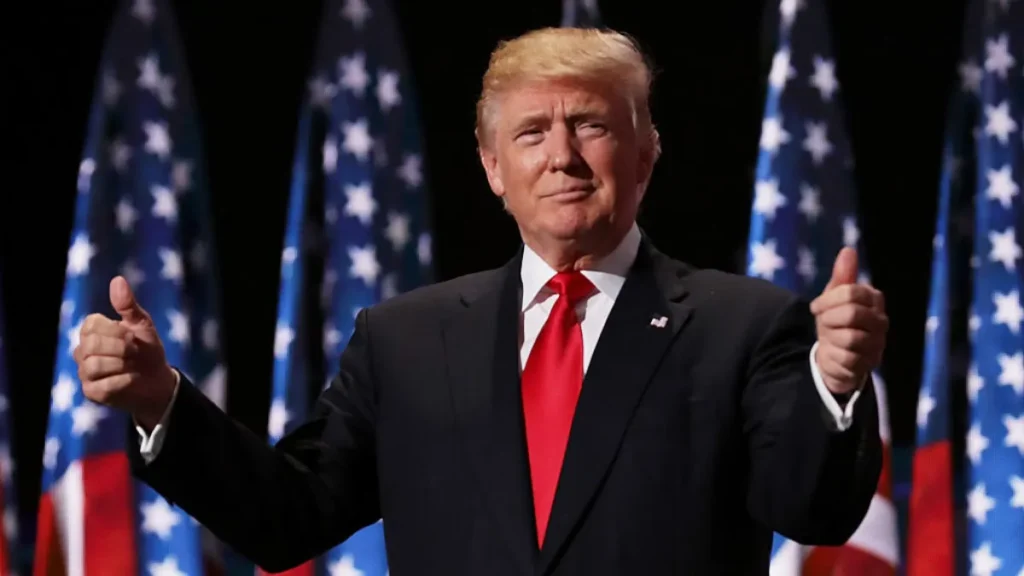
Trump publicly criticized the Supreme Court’s decision, calling it a “witch hunt” and claiming Bolsonaro was being unfairly targeted. The former U.S. president stated that he recently spoke with Bolsonaro and plans to meet him soon, highlighting the ongoing political alliances between Bolsonaro and international figures sympathetic to his cause.
In a move reflecting political tensions between Brazil and the U.S., Trump also imposed a 50% tariff on certain imports from Brazil, citing disputes over trade practices. Additionally, Brazilian Supreme Court Justice Alexandre de Moraes had previously canceled visas for several individuals linked to Bolsonaro’s network, intensifying the diplomatic ripple effects.
Political and Social Implications
Bolsonaro’s sentencing is unprecedented in modern Brazilian politics. It underscores the judiciary’s commitment to upholding electoral integrity and deterring attempts to destabilize the democratic process. Analysts note that the 27-year prison term sends a strong message not only to Bolsonaro’s supporters but also to any political figures considering undermining Brazil’s constitutional order.
The ruling has polarized Brazilian society. Supporters of Bolsonaro argue that the former president is being unfairly targeted due to his political influence, while critics claim the sentence is a necessary step to prevent future threats to democracy. Large-scale rallies in support of Bolsonaro have been observed since the announcement, with both national and international media closely monitoring developments.
Political commentators also speculate on the potential impact on Brazil’s upcoming elections. Bolsonaro, despite his conviction, remains a significant figure in Brazilian politics, with a loyal base that could influence future campaigns and party dynamics. The decision may reshape alliances and strategies across the Brazilian political landscape.
Also read: Trump h1b Policy Debate Intensifies as White House Defends Stance on American Jobs
Background on Bolsonaro’s Presidency
Jair Bolsonaro served as Brazil’s president from 2019 to 2022. A former army captain, he rose to prominence with a nationalist, populist agenda emphasizing law and order, conservative social policies, and economic liberalization. Bolsonaro’s tenure was marked by controversy, including environmental policies impacting the Amazon rainforest, handling of the COVID-19 pandemic, and strained relations with political institutions.
Following his defeat to Lula in 2022, Bolsonaro initially resisted acknowledging the election results, claiming widespread voter fraud without presenting conclusive evidence. This stance laid the foundation for the Supreme Court’s investigation into his post-election activities and the eventual charges of conspiracy and attempted coup.
Conclusion
The Supreme Court’s decision to sentence Bolsonaro to 27 years in prison for attempting a coup is a historic moment for Brazil’s democracy. It highlights the judiciary’s role in protecting electoral integrity and serves as a warning against any efforts to destabilize the government. As Bolsonaro continues to challenge the legitimacy of the charges and international figures like Donald Trump express support, Brazil faces a period of heightened political tension and scrutiny.
With Bolsonaro now under strict custody, the nation watches closely to see how this ruling will affect Brazil’s political landscape, social cohesion, and upcoming elections. The case remains a defining moment in Brazil’s struggle to balance political ambition, legal accountability, and democratic stability.