Washington, D.C., November 11, 2025-The ongoing US Shutdown has now stretched into its 40th consecutive day, causing severe disruptions across America’s transportation network and testing the patience of millions of travelers. With over 2,000 flights canceled and nearly 8,000 delayed nationwide, the country’s aviation system is facing its most serious operational strain in years.
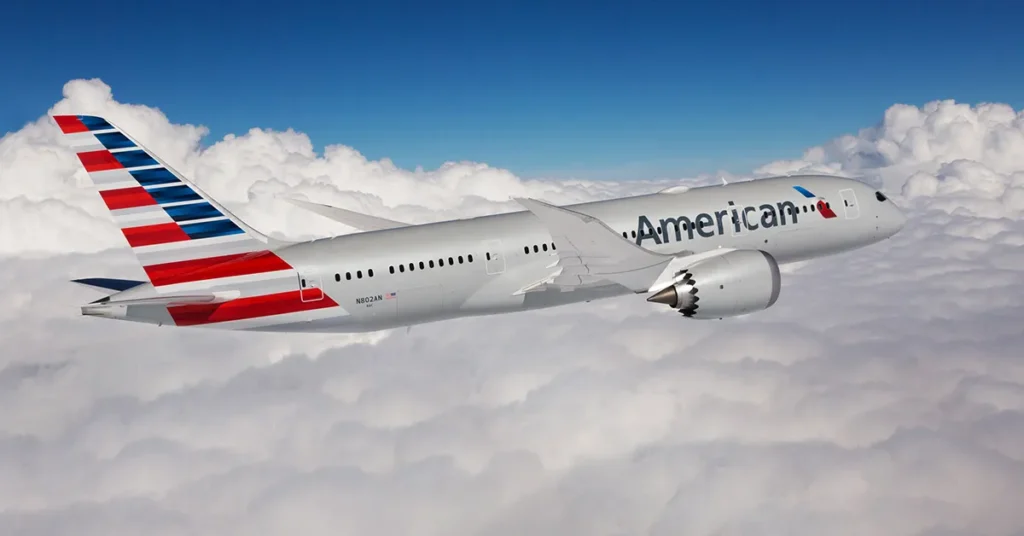
According to real-time flight data from FlightAware, cancellations have surged dramatically since Friday, following the Federal Aviation Administration’s (FAA) decision to cut flight operations as a temporary efficiency measure. On Thursday, only 202 flights were canceled — but by Friday, the number spiked to 1,025, and by Saturday, an alarming 1,566 flights had been grounded.
Aviation System on the Brink
The aviation industry has been among the hardest hit sectors during the US Shutdown. Many air traffic controllers, unable to sustain unpaid work, have taken leave or resigned, placing immense pressure on those still reporting for duty. With a thinner workforce managing an already complex system, delays and cancellations have become inevitable.
In a joint statement, the Department of Transportation (DOT) and the Federal Aviation Administration (FAA) announced a 10% reduction in flight operations across 40 major U.S. airports. The move, they said, is aimed at reducing workload stress among controllers and maintaining safety standards amid the ongoing staffing crisis.
Transportation Secretary Sean Duffy, speaking to CNN on Sunday, cautioned that “the situation could deteriorate further in the coming weeks.” He warned that if the deadlock continues, air travel during Thanksgiving — one of America’s busiest travel seasons — may grind to a near halt.
“We are doing everything possible to keep air travel functional,” Duffy said, “but without funding, we can’t guarantee stability in the system.”
Economic Ripple Effects
The crisis is now rippling far beyond the airports. The National Economic Council (NEC) has expressed serious concerns about the potential economic fallout if the US Shutdown continues into the holiday season. A top NEC official stated that if millions of Americans are unable to travel during Thanksgiving, it could severely dampen consumer spending — a key driver of the nation’s GDP growth in the fourth quarter.
Economists are already warning of a slowdown in multiple sectors, including tourism, logistics, and retail. Some forecasts suggest that if the shutdown extends past mid-November, it could shave off up to 0.5% of quarterly economic growth, marking the most severe impact of a government closure since 2018.
Political Deadlock in Washington
At the heart of the crisis is a bitter political standoff in Congress over temporary government funding. While both parties acknowledge the need for a short-term spending measure, progress has been blocked in the Senate due to the filibuster rule, which requires 60 votes to advance any major bill.
Currently, the Republican Party controls 53 seats, leaving them short of the supermajority needed to bypass the filibuster. As a result, critical funding bills remain stalled, leaving federal agencies unfunded and tens of thousands of government employees without pay.
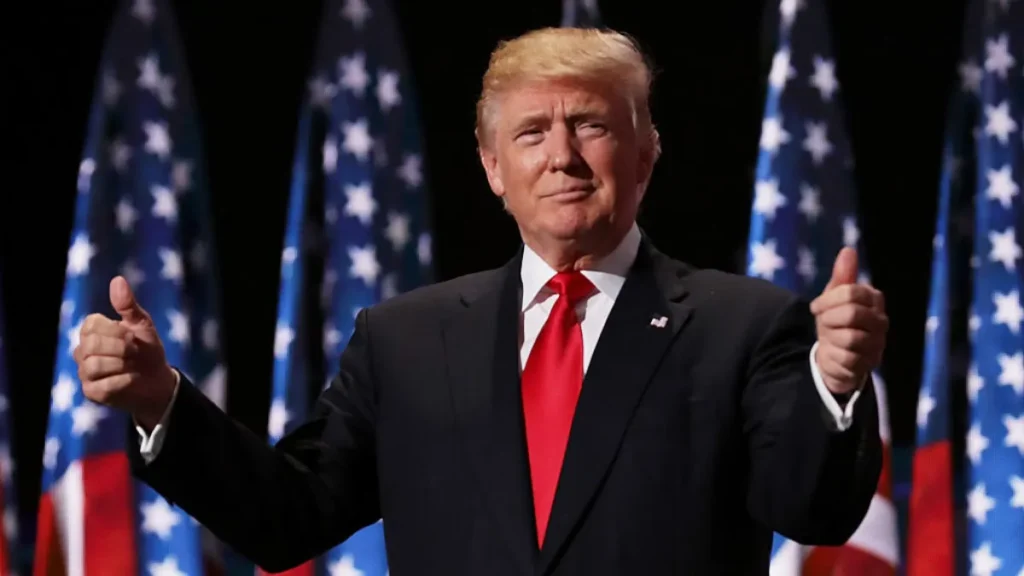
President Donald Trump has renewed his call to “end the filibuster” altogether, arguing that the procedural barrier is preventing the government from taking decisive action to reopen essential services. His proposal, however, has met strong resistance from both Democrats and some moderate Republicans who view the filibuster as a safeguard against majority rule abuse.
Impact on Federal Workers
Across the nation, more than 800,000 federal employees remain affected — either working without pay or furloughed indefinitely. From airport security officers to food inspectors, the absence of key personnel has strained public services that Americans rely on daily.
Airports in major hubs such as Atlanta, Chicago, Los Angeles, and New York have reported significant slowdowns at security checkpoints. Lines are stretching for hours, and frustrated passengers are venting online about missed flights and chaotic travel experiences.
One traveler at Chicago O’Hare told local media:
“It feels like the system is falling apart. We understand these workers aren’t getting paid, but it’s unbelievable how quickly everything has broken down.”
Safety Concerns Mount
Aviation unions have warned that the ongoing US Shutdown is putting air safety at risk. With overworked controllers, limited maintenance staff, and reduced oversight, even minor errors could have major consequences.
The National Air Traffic Controllers Association (NATCA) released a statement saying that “the system is stretched to a dangerous point,” urging Congress to act immediately to restore funding. The union emphasized that fatigue among controllers could compromise situational awareness and endanger flights.
Transportation safety experts are echoing these warnings, noting that the U.S. aviation system, normally regarded as the world’s safest, cannot sustain this level of disruption indefinitely.
Public Frustration and Political Pressure
Public opinion polls show that a majority of Americans are now blaming political leaders for the crisis. According to a recent Gallup survey, nearly 62% of respondents say both parties are equally responsible for the continued shutdown, while 28% blame the ruling administration specifically.
Airlines and travel associations are also urging Washington to reach an agreement before the situation spirals further. The Airlines for America (A4A) group, which represents major carriers like Delta, United, and American Airlines, warned that the shutdown could result in “lasting damage to the aviation ecosystem” if not resolved soon.
“The U.S. aviation network is the backbone of the global travel economy,” said an A4A spokesperson. “Every day of this shutdown costs millions in lost productivity, disrupted supply chains, and traveler dissatisfaction.”
Filibuster at the Center of the Storm
The term filibuster — once a little-known Senate rule — has now entered public discourse. Under this rule, senators can prolong debate indefinitely to block a vote on a bill unless 60 members vote to end the discussion. This mechanism, designed to encourage bipartisanship, is now being used to halt progress on essential funding.
President Trump’s call to dismantle the filibuster has reignited debate over its role in modern democracy. Supporters say it prevents hasty policymaking, while critics argue it allows a minority to paralyze governance during national crises like the current US Shutdown.
Global Reaction and Market Response
International markets have started reacting to the uncertainty. The Dow Jones Industrial Average and S&P 500 both dipped in early trading Monday, as investors grew wary of prolonged instability. Global airlines and travel operators have also expressed concern over U.S. flight disruptions, which could affect transatlantic routes and tourism-dependent economies.
Foreign governments, particularly in Europe, have advised citizens to expect potential delays when traveling to or from the United States until the shutdown is resolved.
Also read: Donald Trump Promises $2,000 Tariff Dividend to Americans, Calls Critics “Fools”
The Road Ahead
Despite growing pressure from every sector, there is still no clear path forward. Lawmakers are scheduled to reconvene this week to attempt a compromise funding bill, but expectations remain low amid partisan divisions.
Political analysts suggest that unless one side concedes on key budget demands, the US Shutdown could extend well into December-marking it as the longest in American history.
In the meantime, ordinary Americans continue to bear the brunt of the crisis-grounded flights, missed paychecks, and an uncertain future. For millions, the shutdown has become more than a political impasse; it is now a test of resilience and faith in the nation’s leadership.