Jamnagar / Riau:
Indonesia has turned to VANTARA, a globally respected wildlife rescue and conservation centre based in Jamnagar, Gujarat, to help combat a growing and deadly threat to its endangered Sumatran elephant population. The collaboration comes as Indonesia intensifies efforts to prevent elephant deaths caused by Elephant Endotheliotropic Herpesvirus (EEHV), a highly aggressive disease that primarily affects young elephants and often proves fatal within days of infection.
The initiative follows the recent death of a juvenile Sumatran elephant at the Sebanga Elephant Conservation Center in Bengkalis district, Riau province. The elephant succumbed to complications linked to EEHV, raising alarm among wildlife authorities and conservationists already grappling with declining elephant numbers due to habitat loss, human-wildlife conflict, and illegal encroachment.
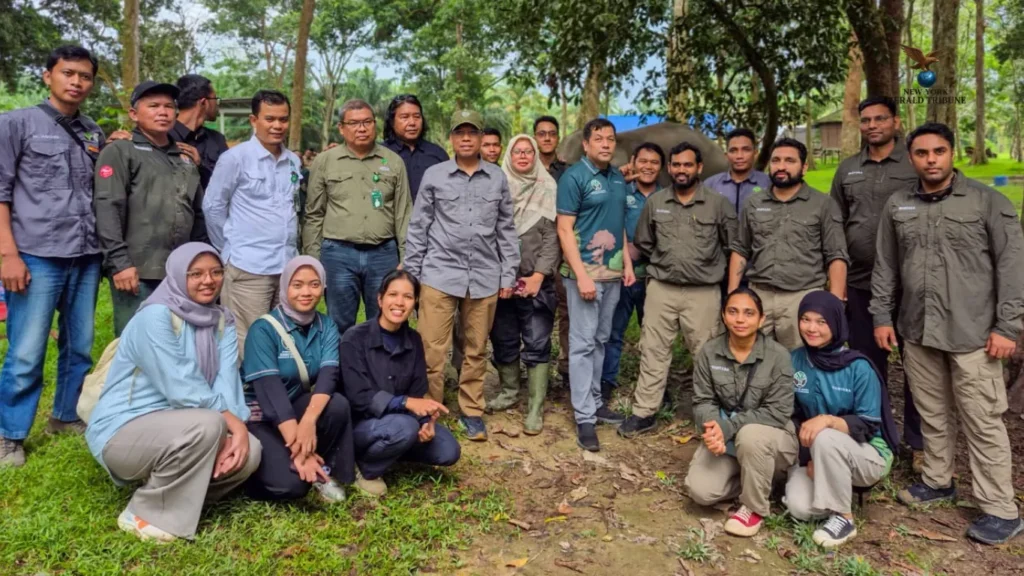
In response to the incident, Indonesia’s Ministry of Forestry (Kementerian Kehutanan) initiated technical cooperation with VANTARA, leveraging its extensive expertise in elephant health, disease prevention, and veterinary care. The partnership is being implemented locally through Fauna Land Indonesia, enabling a coordinated, on-ground response that combines international best practices with local conservation knowledge.
Indonesia Engages Vantara`s Expertise to curb Elephant Deaths from EEHVhttps://t.co/OBGBW7sALd
— Investment Guru India (@InvGurInd) December 26, 2025
#WorldMarket #Vantara @MinistryofForestry #Investmentguruindia pic.twitter.com/8D8tTtPa9b
A Rapid Veterinary Response in Riau
As part of the collaboration, a team of elephant veterinarians, wildlife biologists, and disease management specialists from VANTARA arrived in Riau earlier this week. Working closely with Indonesian forestry officials and local experts, the team has begun conducting medical assessments and strengthening preventive healthcare measures for elephants under human care.
The immediate focus of the intervention is early detection of EEHV symptoms, which is widely regarded as the most critical factor in improving survival rates. EEHV can progress rapidly, often showing only subtle early signs such as lethargy, reduced appetite, or mild swelling before causing severe internal bleeding. Without swift diagnosis and antiviral treatment, mortality rates remain extremely high.
Through hands-on support, VANTARA is assisting in refining monitoring protocols, improving daily health checks, and enhancing veterinary readiness to respond quickly when early warning signs appear. These measures are expected to significantly reduce delays in treatment and improve overall outcomes for vulnerable young elephants.
Strengthening Preventive Care and Disease Management
Beyond emergency response, VANTARA is contributing advanced technical expertise in veterinary diagnostics, preventive healthcare, and research-based disease management strategies. This includes guidance on blood testing, viral load monitoring, and the use of preventive prophylaxis where appropriate.
A key component of the initiative involves building baseline health data for elephants in care. By establishing consistent health records and benchmarks, veterinarians can more accurately identify deviations that may indicate the onset of EEHV or other illnesses. This data-driven approach aligns with global best practices in wildlife medicine and is expected to enhance long-term disease surveillance in Indonesia.
Equally important is the emphasis on capacity building. VANTARA specialists are sharing knowledge and providing training to elephant caretakers, mahouts, and local veterinary staff. These sessions focus on recognising early symptoms, implementing biosecurity measures, and following evidence-based treatment protocols. By empowering local teams with advanced skills, the programme aims to create sustainable, long-lasting improvements in elephant healthcare.
VANTARA’s Global Role in Elephant Conservation
Located in Jamnagar, Gujarat, VANTARA has emerged as one of the world’s leading wildlife rescue, rehabilitation, and conservation centres. Founded by Anant Ambani, the facility is renowned for its holistic approach to animal welfare, combining cutting-edge veterinary science with ethical, evidence-based conservation practices.
The centre is home to one of the most advanced elephant hospitals globally, equipped to manage complex medical cases across both Asian and African elephant species. VANTARA’s work places strong emphasis on early intervention, preventive medicine, and long-term welfare rather than reactive treatment alone. Its growing international collaborations reflect a broader commitment to sharing expertise to protect endangered wildlife beyond India’s borders.
Expanding the Initiative Across Indonesia
While the current phase of the EEHV prevention programme is concentrated in Buluh Cina Nature Tourism Park in Riau, Indonesian authorities have indicated that the framework developed with VANTARA will not remain limited to a single location. The preventive strategies, health protocols, and training modules are expected to be gradually extended to other critical elephant habitats.
These include well-known conservation areas such as Tesso Nilo National Park, Sebanga, Way Kambas, and additional elephant ranges across Sumatra. By standardising EEHV management practices across multiple sites, Indonesia hopes to build a cohesive, nationwide response to the virus.
Also read: Aravalli Protests Intensify: If India’s ‘Great Green Wall’ Falls, Will Delhi Become a Desert?
A Model for International Wildlife Cooperation
Conservation experts view the partnership between Indonesia and VANTARA as an important example of how cross-border collaboration can strengthen wildlife protection efforts. The structured, prevention-oriented approach being implemented in Riau is designed to move beyond crisis management toward long-term resilience.
The stakes are high. The Sumatran elephant, a subspecies of the Asian elephant, is classified as Critically Endangered by the International Union for Conservation of Nature (IUCN). With populations continuing to decline, preventing avoidable deaths from diseases like EEHV is essential to the species’ survival.
By combining local commitment with international expertise, the collaboration aims to safeguard young elephants, improve survival rates, and contribute meaningfully to the long-term conservation of one of the world’s most threatened elephant populations. For Indonesia, and for global conservation efforts, the involvement of VANTARA represents a significant step toward science-driven, compassionate wildlife health management that could serve as a model for other countries facing similar challenges.