Washington, D.C.: United States President Donald Trump has issued a sharp warning to countries maintaining trade ties with Russia, stating that they should “prepare for very serious punishment.” The statement comes shortly after the U.S. expanded sanctions on major Russian oil companies, including Lukoil and Rosneft, signaling a dramatic escalation in Washington’s economic pressure on Moscow.
The warning marks the latest step in Trump’s aggressive strategy to isolate Russia following its continued military operations in Ukraine and its refusal to consider an immediate ceasefire.
Trump’s Tough Message: Countries Trading with Russia May Face Severe Action
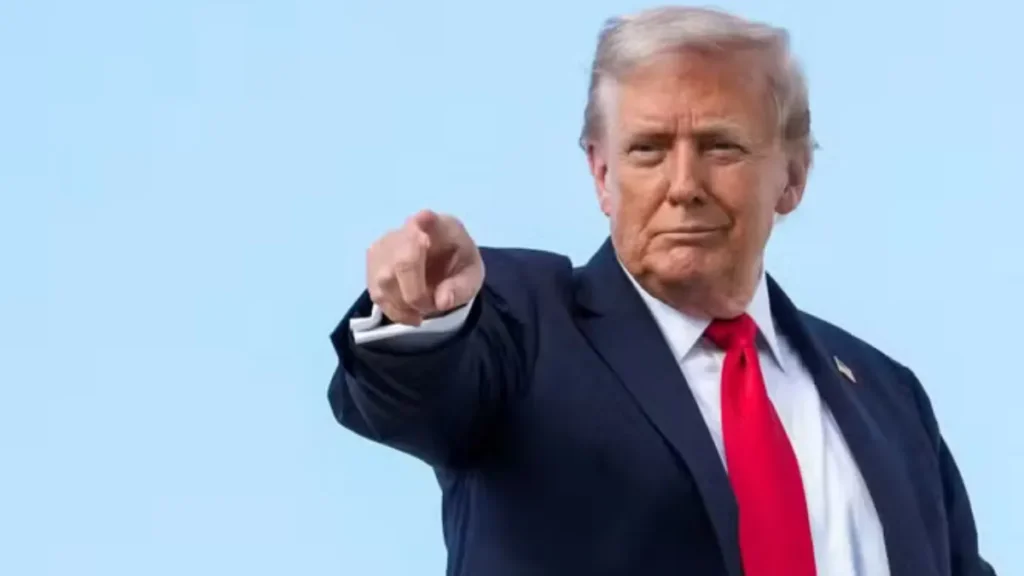
During an interaction at Palm Beach International Airport on Sunday, Donald Trump emphasized that Republican lawmakers are working on a new law that could introduce sweeping sanctions on nations still conducting trade with Moscow.
According to Trump, the new legislation is aimed at countries that maintain any form of economic cooperation with Russia despite the growing global push to reduce dependence on Russian oil and energy supplies.
Trump said, “This is an idea I strongly support. Any country trading with Russia should be ready for extremely strict penalties.”
His statement follows the latest round of sanctions hitting Russian oil majors Lukoil and Rosneft, which are set to take effect on November 21. Officials in Washington believe these measures will tighten financial pressure on the Kremlin and its global partners.
US Bills Propose Secondary Sanctions on All Countries Linked to Russian Trade
Reports indicate that the United States is considering a bill that would expand “secondary sanctions” — penalties that apply not only to Russia but also to foreign nations and companies doing business with Russian entities under sanctions.
This would represent one of the largest sanctions expansions since the start of the Ukraine conflict. Analysts say the legislation could reshape global trade patterns, especially in energy markets, where Russia remains a key supplier to several economies in Asia, Africa and Europe.
If passed, the law could target trade relationships ranging from oil imports to defense cooperation, potentially putting many countries at risk of losing access to the U.S. financial system.
Iran Could Be the Next Target
Alongside Russia, Trump hinted that Iran may soon be placed on the U.S. blacklist.
Washington has recently expressed concerns regarding Iran’s growing role in supporting Russia’s military capabilities and its alleged involvement in destabilizing geopolitical regions.
Trump’s remarks indicate a tightening of U.S. policy toward both Moscow and Tehran — a development experts say could have far-reaching global consequences.
Putin Remains Unmoved Despite Trump’s Intensifying Pressure
Despite the mounting sanctions, Russian President Vladimir Putin has shown no signs of yielding to international pressure.
Reports confirm that the Kremlin recently rejected negotiations on a potential ceasefire in Ukraine. Trump responded by intensifying his stance against countries supporting Russia economically, stating that Moscow must face complete isolation until it agrees to meaningful peace talks.
Putin has argued that “no sovereign nation takes decisions under external pressure,” warning that the sanctions could trigger a surge in global oil prices — a development that might also negatively impact Washington.
Why India Became a Target of Higher US Tariffs
India has found itself indirectly pulled into the conflict after the Trump administration previously imposed a 25% reciprocal tariff.
However, tensions escalated further when Donald Trump accused India of aiding Russia by purchasing discounted oil and weapons during the Ukraine conflict.
In response, the U.S. doubled the tariff to 50% starting August 27. Although India maintains that its energy imports are based on national interest, the move highlights India’s complicated position between Washington and Moscow.
Trump’s new threat of additional penalties for any nation trading with Russia could place India under further scrutiny, especially because of its expanding energy cooperation with Moscow.
US Treasury: Sanctions Driven by Russia’s Lack of Commitment to Peace
The U.S. Treasury Department issued a statement asserting that the primary motivation behind Washington’s economic measures is Russia’s refusal to show “serious commitment” toward resolving the conflict in Ukraine.
Officials emphasized that the extended sanctions are not just punitive but are intended to force the Kremlin back to peace negotiations — something Moscow has so far resisted.
The Treasury’s statement reinforces Trump’s claim that stricter penalties are necessary to keep pressure on Russia’s government and its international partners.
Also read: Trump and BBC: Former President Rejects BBC Apology, Announces Plan for Major Lawsuit
Global Impact: What the World Should Expect
Experts warn that Trump’s latest warning could dramatically reshape global supply chains, particularly in the energy sector. Key predictions include:
- Higher global oil prices if Russia’s exports face interruptions
- Greater geopolitical tension as nations choose between U.S. and Russian cooperation
- Potential instability in emerging economies dependent on cheap Russian oil
- Increased pressure on countries like India, China, and Turkey to reduce their economic ties with Moscow
The situation is expected to intensify in the coming months as the new U.S. sanctions take effect and as other global powers reassess their strategic alliances.
Conclusion
President Donald Trump’s latest warning marks a pivotal moment in global geopolitics. By threatening severe penalties for any nation trading with Russia, Washington has made it clear that it aims to isolate Moscow on every economic front.
With new sanctions set to begin on November 21 and additional measures under review, the world is bracing for potential disruptions in global markets, diplomatic tensions, and intensified pressure on countries still maintaining ties with Russia.
As the conflict continues with no signs of a ceasefire, the international community will closely watch whether Trump’s aggressive economic strategy succeeds — or triggers even broader geopolitical challenges.