The highly anticipated IndieChina Film Festival — an independent event scheduled to run alongside New York film festival activities in early November — was abruptly canceled after multiple filmmakers reportedly withdrew under pressure from Chinese authorities. The unexpected suspension of the festival has sparked global discussions on artistic freedom, transnational political influence, and the challenges independent filmmakers continue to face when portraying uncensored realities of contemporary China.
An Event Months in the Making Suddenly Disappears
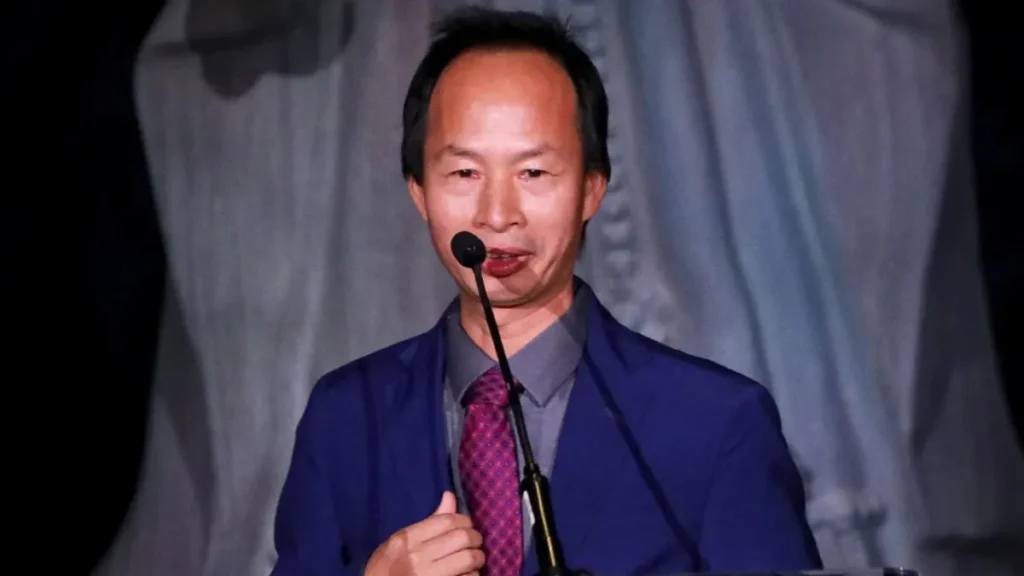
Organizer Zhu Rikun, a well-known independent filmmaker and film curator, spent several months planning what was supposed to be the inaugural IndieChina Film Festival in New York City. The event was intended to showcase a range of independent Chinese films that might not otherwise find a platform in mainland China due to rising censorship and ideological restrictions.
Set to begin on November 8, the festival aimed to bring together directors, producers, and film scholars for screenings, conversations, and panels. But just two days before the opening night, Zhu made the difficult decision to cancel the entire event, citing repeated reports of harassment targeting invited participants and their family members back in China.
“It was not the film festival that I prepared for,” Zhu told reporters this week, describing the emotional experience of seeing months of work dissolve under external pressure.
Filmmakers Report Harassment and Intimidation
According to Zhu, many filmmakers who had initially confirmed their participation later withdrew suddenly. Most cited vague “personal reasons,” but several privately shared that they or their relatives in China were contacted by authorities and instructed to distance themselves from the event.
In a public statement issued shortly before canceling the festival, Zhu explained:
“Directors, producers, and guests from China who planned to attend the event — and even their family members — have been facing harassment.”
He added that his hope is that announcing the cancellation might persuade “certain unknown forces” to halt their intimidation of the filmmakers, staff, volunteers, and his own friends and relatives.
A Protest in an Empty Venue
Even after the festival’s termination, Zhu continued to show up at the event space each day throughout the week.
Unable to recover the money spent on the booked venue, he used the empty hall as a symbolic site of protest — screening independent films for himself and a small circle of colleagues.
“I am still a filmmaker from China, and I’m still an independent film curator,” Zhu said. Despite the challenges, he emphasized that he intends to keep advocating for independent cinema, though he acknowledged that the environment has changed dramatically. “Independent filmmaking in China is extremely difficult now; it is nothing like before.”
A History of Crackdowns on Independent Cinema in China
Before relocating to New York about a decade ago, Zhu was deeply involved in the independent cinema movement inside China. Over his twenty-year career, he worked with multiple grassroots film collectives and co-founded the Beijing Independent Film Festival, one of the country’s most prominent platforms for uncensored artistic expression.
However, according to Human Rights Watch, the rise of President Xi Jinping in 2012 brought a sharp tightening of cultural and ideological control. Independent film festivals, academic conferences, and even local film gatherings gradually came under increased scrutiny.
Human Rights Watch noted that all three major independent film festivals in China — including Zhu’s — have been forcibly shut down in recent years. Authorities have increasingly targeted alternative viewpoints, critical narratives, and artistic expressions that fall outside state-approved messaging.
“Eventually, all of my film festivals were banned,” Zhu said. “None of them could continue.”
This history of sweeping restrictions was one reason Zhu hoped to rebuild the concept of a Chinese independent film festival outside China — ideally in an environment where creative voices could be protected.
A Global Reach of Political Influence?
Human Rights Watch commented sharply on the situation, calling it a serious example of transnational repression.
China researcher Yalkun Uluyol stated:
“The Chinese government reached around the globe to shut down a film festival in New York City. This demonstrates the government’s ongoing efforts to control what the world sees and learns about China.”
The statement has fueled broader concerns that issues of censorship may no longer be confined within China’s borders. The alleged pressure exerted on filmmakers living abroad and on their extended families back home represents a new layer of international scrutiny.
Chinese Government Responds
When approached by U.S. media outlets, the Chinese Embassy in Washington did not provide a response.
However, China’s Foreign Ministry, speaking to The New York Times, said it was unfamiliar with the situation and criticized Human Rights Watch, saying the organization had “long been prejudiced against China.”
This brief statement did little to address the central allegations raised by Zhu and independent filmmakers globally.
The Broader Impact on Global Film Culture
The shutdown of the IndieChina Film Festival — aligned in timing and attention with the New York film festival season — has drawn international attention from industry professionals, human rights advocates, and cultural organizations. It has reignited concerns about:
- Freedom of artistic expression
- Safety and autonomy of filmmakers living abroad
- The reach of authoritarian governments beyond their borders
- The shrinking space for independent cinema worldwide
The incident has also sparked renewed debate within the global film community about what responsibility international festivals and cultural institutions hold when confronting political interference.
Independent Chinese Filmmaking at a Crossroads
Zhu, who has long been a strong advocate for uncensored storytelling, says he is determined to find alternatives. But he acknowledges that the circumstances for independent creators are more difficult than ever.
He emphasized that while an event can be canceled, the stories themselves cannot be erased — and there will always be an audience willing to seek authentic narratives.
“Even if the festival could not happen this time,” he said, “independent voices will continue.”
What Comes Next?
The organizers have not announced a new date or alternative arrangements, but Zhu indicated he is exploring safer, more sustainable ways to host future events.
Researchers and human rights advocates say the international community must pay close attention to such incidents and ensure that artistic freedom remains protected across borders.
Meanwhile, the cancellation of the IndieChina Film Festival stands as a stark reminder that even in cities like New York — globally known for cultural openness — artistic expression can still be influenced by geopolitical tensions.