UN Wildlife Body Reverses Call: In a significant diplomatic win for India on the global conservation stage, an international wildlife trade committee has reversed its earlier proposal that sought to restrict India from importing endangered animal species. The move came after the country received strong backing from influential member nations that appealed for a reassessment of the preliminary findings which had triggered the initial recommendation.
The development unfolded at a high-profile committee session, where delegates from dozens of countries reviewed concerns raised earlier this month regarding the documentation and verification procedures used for transporting endangered species to India. The earlier proposal had called for temporary restrictions, citing what it described as “inconsistencies” in paperwork and insufficient clarity in provenance verification for certain species transported into the country.
India, however, firmly rejected the initial proposal from the outset, calling it premature, disproportionate, and unsupported by any credible evidence linking the country—or any Indian institution—to illegal wildlife trafficking. The argument struck a chord with many nations that echoed India’s stance. Among the supporters were the United States, Brazil, and Japan, all of whom voiced concern that the proposed trade limitations appeared to lack sufficient scientific backing and risked creating damaging precedents in international conservation policy.
The centre of debate: Vantara wildlife rescue facility
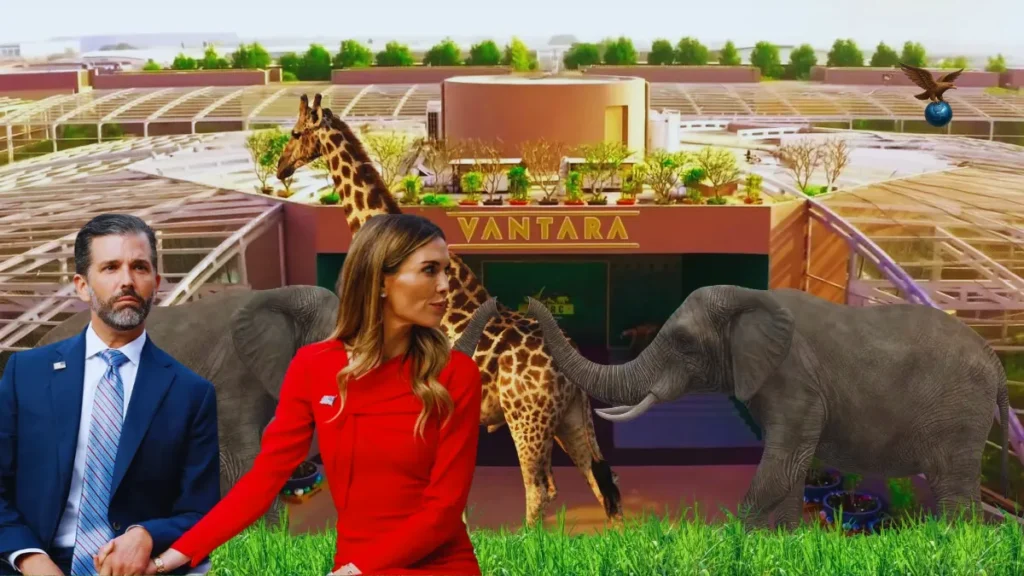
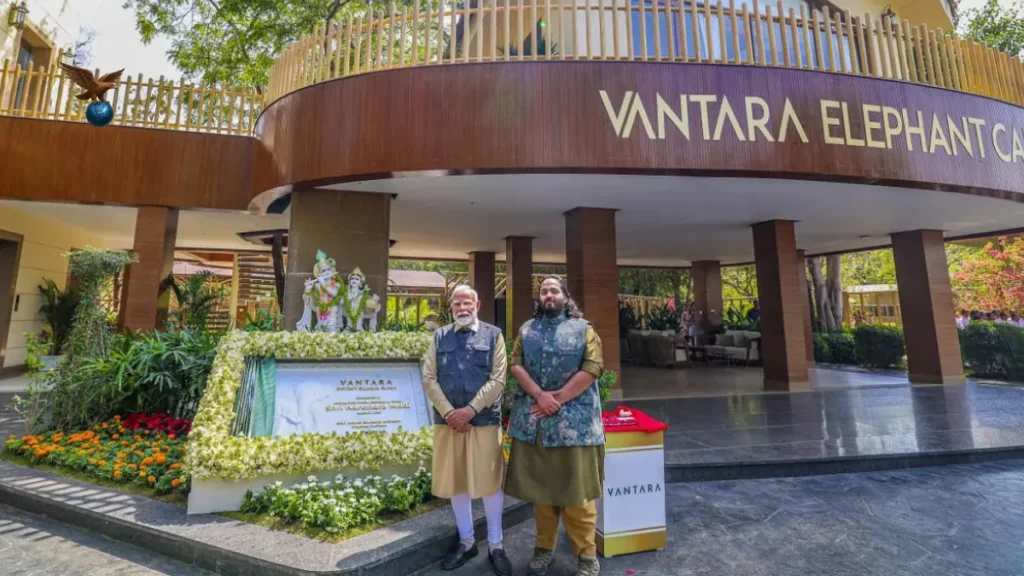
The controversy stemmed largely from the operations of Vantara, the vast animal rescue and rehabilitation facility spread across nearly 3,500 acres in Gujarat, India. The organisation has been involved in the rescue, import, treatment, and rehabilitation of numerous exotic and endangered species over recent years. Vantara has consistently described its work as “entirely conservation-driven,” with the goal of protecting vulnerable species from distress and extinction.
However, early this year, concerns were flagged by a small cluster of wildlife groups regarding imports previously conducted by the facility. A technical inspection mission later suggested that India should temporarily refrain from issuing new import permits for certain endangered species until perceived data mismatches were reviewed and reconciled. Although the document made no allegation of illegal activity, its recommendations were interpreted by some as grounds for trade suspension.
The suggestion immediately triggered a heated debate. Environmental diplomats argued over whether administrative discrepancies should be treated with the same seriousness as cross-border wildlife crimes. It was during this debate that the committee initially issued the recommendation that India’s future imports of certain endangered species be restricted. The backlash that followed set the stage for the historic reversal now making global headlines under the keyword “UN Wildlife Body Reverses Call.”
Delegates challenge the fairness of trade restrictions
During the most recent meeting, delegates questioned whether the committee had solid grounds to support its earlier restrictions. A number of member states noted that administrative variance in import paperwork was not unusual across rescue initiatives worldwide, especially given the complexity of international wildlife classifications, shipping requirements, and veterinary documentation.
Several diplomats warned that applying sanctions without definitive proof of wrongdoing would undermine the spirit of global cooperation that underpins conservation trade law. They also argued that the ruling could discourage privately funded but legitimately run rescue and rehabilitation programmes, particularly in developing countries where government-run institutions face resource limitations.
Following hours of debate, the chair acknowledged that the earlier recommendation no longer held sufficient international support. The committee then formally rescinded the proposal, resulting in headlines around the world emphasising that the UN Wildlife Body Reverses Call.
At the same time, the chair noted that a review of current processes could still continue, and that global regulatory dialogues would remain active to ensure wildlife trade systems always prioritise welfare, conservation integrity, and transparency.
India’s defence: global standards, legal compliance and transparency
Throughout the discussion, India stood firm in defending its practices, reiterating its commitment to full compliance with global wildlife-trade regulations. Representatives described the country’s import activities as heavily scrutinised, fully documented, and overseen by multiple regulatory bodies—both national and multinational.
Indian diplomats stressed that the country routinely incorporates feedback from scientific authorities and NGOs to strengthen animal welfare protocols, monitoring processes, and rescue frameworks. “Any concern raised by a global or domestic organisation will be evaluated transparently in partnership with the scientific community,” the delegation assured.
Meanwhile, Vantara officials reiterated their facility’s commitment to operating within legal frameworks. They highlighted that Vantara has always welcomed inspections, third-party monitoring, and independent veterinary and conservation audits. According to facility data, the rescue centre is home to approximately 2,000 animals sourced from regions including South Africa, the Democratic Republic of the Congo, Venezuela and others. The animals include birds, reptiles, rare big cats, and numerous other protected species that require long-term medical care and conservation support.
Persistent concerns from some member states
Despite the committee’s reversal, a small number of member states expressed lingering apprehension. Belgium, along with at least one inter-African wildlife alliance, urged heightened scrutiny over export permits to India and called for temporary suspensions until further clarity was provided on the verification process.
Supporters of this cautious approach clarified that their concern was not directed at India alone, but reflected a broader global challenge: how to maintain smooth, ethical international wildlife trade while ensuring that endangered species do not become entangled in commercial demand.
In response, Indian representatives stated that the country has been upgrading its regulatory systems continuously, with special emphasis on improving oversight mechanisms related to the handling and transport of endangered species and on the operations of private philanthropic conservation sites.
Indian court investigation reinforces compliance claims
Earlier this year, India took an additional step toward transparency when a court-appointed investigative panel of wildlife compliance experts examined allegations levelled at the Vantara facility. After reviewing extensive documentation and conducting on-site assessments, the panel concluded that there was no evidence of illegal activity related to wildlife imports.
The findings explicitly stated that Vantara adhered to both national and international trade and welfare regulations. These conclusions later played a pivotal role in India’s argument before the global committee, further adding weight to the position that the earlier restrictions were based not on wrongdoing but on incomplete interpretation of available information.
European regulatory caution continues
Prior to the reversal, some European authorities declared that they would adopt heightened scrutiny toward export permits involving India. They stated that while they would continue issuing permits, their evaluation processes would be more thorough while the issue remained under international review. It is not yet clear whether that additional scrutiny will now be relaxed in light of the vote overturning the committee recommendation.
Future regulatory landscape
As the committee continues to monitor global wildlife trade, there is a growing consensus that collaborative reform may follow. Conservation-driven imports, especially those involving endangered species, may see tighter documentation frameworks, more detailed transport protocols, and increased involvement of independent scientific bodies.
However, there is also widespread recognition that trade blocks—when used prematurely—could jeopardise legitimate rescue efforts. Many conservationists argue that hundreds of endangered animals owe their survival to cross-border collaborative rescue programmes and that regulatory caution must be balanced with ecological necessity.
What the reversal means for global wildlife conservation
The ruling signals several implications for the future of wildlife trade policy:
| Key Implication | Impact |
|---|---|
| Validation of evidence-based regulation | Strengthens demand for fact-driven decision-making before imposing sanctions |
| Support for privately funded rescue initiatives | Encourages conservation projects beyond government-operated facilities |
| Greater scrutiny of documentation | More transparent and rigorous paperwork standards expected globally |
| Shift toward collaborative compliance | Countries likely to increase cooperation rather than confrontation |
With the UN Wildlife Body Reverses Call, India has not only successfully defended itself from premature restrictions but has also helped spark a wider debate about balancing animal welfare, conservation needs, and bureaucratic practicality.
Looking ahead
The dialogue surrounding India’s wildlife import practices is expected to continue evolving over the coming months. Member states will examine updated documents submitted by India and review whether additional guidelines or technical support should be introduced to enhance ecosystem protection, scientific collaboration, and welfare standards in conservation-motivated wildlife exchanges.
For now, India retains the ability to legally import endangered wildlife species for rescue and rehabilitation purposes. The global conservation community will be watching closely to see how the country—and the world—integrates lessons from this pivotal moment of governance, diplomacy and ecological responsibility.